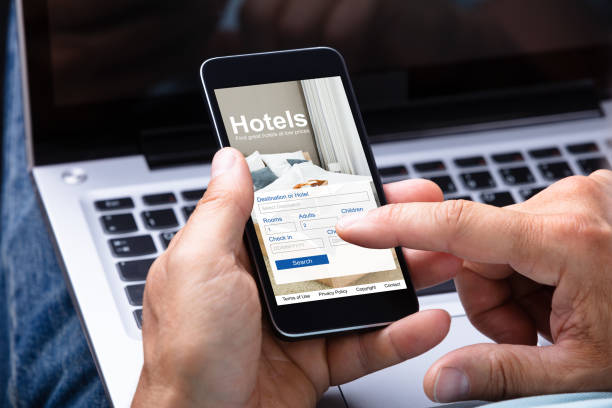
In today’s highly competitive hospitality industry, hotels rely on multiple distribution channels to attract guests. Online travel agencies (OTAs), travel agents, and booking platforms have made it easier for travelers to discover and book hotels around the world. However, while these platforms increase visibility, they often come with significant commission fees. This is why many hotels are now focusing on encouraging direct bookings.
Direct bookings occur when guests reserve rooms directly through a hotel’s official website, phone, email, or walk-in reservations. For hotels, these bookings are far more profitable than reservations made through third-party platforms. By prioritizing direct bookings, hotels can reduce costs, increase revenue, and build stronger relationships with their guests.
This blog explores why direct bookings are more profitable for hotels and how they help improve long-term business growth.
Lower Commission Costs
One of the most important reasons direct bookings are more profitable is the elimination of third-party commissions. Online travel agencies usually charge hotels a commission that can range from 15% to 30% of the total booking value. For hotels operating with tight profit margins, this commission can significantly reduce revenue.
When guests book directly with the hotel, the entire payment goes to the hotel without any deductions from external platforms. Over time, this can lead to substantial savings and improved profitability.
For example, if a hotel room costs ₹5,000 per night and the OTA commission is 20%, the hotel loses ₹1,000 per booking. If the same booking is made directly, the hotel keeps the full amount. Multiply this across hundreds or thousands of bookings each year, and the financial difference becomes enormous.
Greater Control Over Pricing
Direct bookings allow hotels to maintain full control over their pricing strategies. When hotels rely heavily on third-party platforms, they often have to follow strict rate parity agreements and pricing structures. This limits flexibility in adjusting prices based on demand, special promotions, or seasonal offers.
With direct bookings, hotels can create customized pricing strategies such as:
- Exclusive discounts for website bookings
- Special packages for long stays
- Seasonal promotions and holiday offers
- Loyalty program benefits
These strategies help hotels attract more direct customers while maintaining higher profit margins.
Better Guest Relationships
When guests book through third-party platforms, hotels often receive limited information about them. This makes it harder to build personalized relationships or understand guest preferences.
Direct bookings allow hotels to collect valuable guest data such as contact details, preferences, and booking history. With this information, hotels can provide personalized services, targeted promotions, and better customer experiences.
For instance, a hotel can send personalized emails offering room upgrades, anniversary discounts, or exclusive deals to returning guests. These personalized interactions help build loyalty and encourage repeat bookings.
Increased Opportunities for Upselling
Direct bookings create more opportunities for hotels to upsell additional services. When guests book directly through the hotel website or reservation team, the hotel can promote extra services that enhance the guest experience.
These services may include:
- Room upgrades
- Airport transfers
- Spa packages
- Dining experiences
- Event or banquet bookings
Since there is direct communication between the hotel and the guest, it becomes easier to recommend these services and increase the overall booking value.
Upselling not only improves guest satisfaction but also significantly increases hotel revenue.
Stronger Brand Identity
Hotels that rely too heavily on online booking platforms often struggle to build their own brand identity. Guests may remember the booking platform more than the hotel itself.
Direct bookings allow hotels to promote their brand through their own website, marketing campaigns, and guest experiences. A well-designed hotel website with clear information, attractive images, and easy booking options helps create a professional and trustworthy brand image.
When guests book directly, they interact with the hotel brand from the beginning of their journey, which strengthens brand recognition and loyalty.
Improved Guest Experience
Direct communication between hotels and guests allows for better service and smoother experiences. Hotels can respond quickly to special requests, room preferences, or travel arrangements when guests book directly.
For example, guests may request early check-in, late check-out, specific room views, or dietary preferences. When bookings are made directly, the hotel can manage these requests more efficiently.
A personalized and seamless booking experience increases guest satisfaction and encourages positive reviews and repeat visits.
Higher Customer Loyalty
Direct bookings make it easier for hotels to develop loyalty programs. Many hotels offer exclusive benefits to guests who book directly, such as:
- Lower room rates
- Free breakfast
- Complimentary upgrades
- Flexible cancellation policies
- Loyalty reward points
These incentives encourage guests to choose direct booking channels rather than third-party platforms.
Over time, loyalty programs help hotels build a base of returning customers who consistently book directly, creating a stable source of revenue.
Reduced Dependency on Online Travel Agencies
Online travel agencies are useful for reaching new audiences and filling rooms during low-demand periods. However, over-dependence on these platforms can be risky for hotels.
If a hotel relies too heavily on third-party bookings, changes in platform algorithms, commission rates, or policies can negatively impact revenue.
Direct bookings reduce this dependency and give hotels more control over their business. A balanced distribution strategy that combines OTAs with strong direct booking channels helps maintain stability and profitability.
Improved Marketing Opportunities
When guests book directly, hotels gain access to valuable contact information that can be used for marketing purposes. Hotels can build email lists and communicate directly with past guests about special offers, seasonal promotions, or upcoming events.
Direct marketing is more cost-effective than constantly acquiring new customers through third-party platforms. By maintaining relationships with past guests, hotels can increase repeat bookings and reduce marketing expenses.
For example, sending targeted email promotions to previous guests can generate bookings without paying any commission fees.
Long-Term Revenue Growth
Direct bookings play a key role in sustainable revenue growth for hotels. By reducing commission costs, increasing upselling opportunities, and building guest loyalty, hotels can achieve stronger financial performance over time.
Hotels that invest in their own booking channels, website optimization, and digital marketing strategies often see long-term improvements in profitability.
Encouraging direct bookings is not about eliminating third-party platforms completely. Instead, it is about creating a balanced strategy where hotels use OTAs for visibility while prioritizing direct reservations for higher profitability.
Strategies Hotels Can Use to Increase Direct Bookings
To maximize the benefits of direct bookings, hotels should focus on improving their booking channels and marketing strategies. Some effective approaches include:
- Creating a user-friendly hotel website with easy booking options
- Offering exclusive deals for direct website bookings
- Using search engine optimization to increase online visibility
- Promoting loyalty programs and member benefits
- Providing flexible cancellation policies for direct bookings
- Encouraging repeat guests with personalized offers
By implementing these strategies, hotels can gradually increase the percentage of direct bookings and improve overall profitability.
Conclusion
Direct bookings are one of the most effective ways for hotels to increase profitability and build long-term business success. Unlike reservations made through third-party platforms, direct bookings eliminate commission costs, provide valuable guest data, and allow hotels to build stronger relationships with their customers.
They also create opportunities for upselling, personalized experiences, and loyalty programs that encourage repeat visits. By focusing on direct booking strategies, hotels can reduce dependency on external platforms and maintain greater control over pricing, branding, and guest interactions.
In the evolving hospitality industry, hotels that invest in their own booking channels and prioritize direct reservations are better positioned to achieve sustainable growth and higher revenue. Direct bookings are not just a reservation method—they are a powerful tool for improving profitability and strengthening a hotel’s long-term success.