
The hospitality industry is evolving rapidly, and 2026 is expected to be a transformative year for hotel businesses worldwide. With increasing competition, changing traveler behavior, and advancements in technology, hotels must adopt modern strategies to remain competitive and profitable. Simply offering comfortable rooms is no longer enough. Guests today look for memorable experiences, personalized services, and seamless digital interactions.
For hotel owners and hospitality entrepreneurs, understanding how to adapt to these trends is the key to sustainable success. From digital marketing and revenue management to guest experience and brand building, several factors contribute to the long-term growth of a hotel business.
This ultimate guide explores powerful strategies that can help hotels increase bookings, improve guest satisfaction, and achieve steady business growth in 2026.
Understanding the Modern Hotel Guest
The first step toward growing a hotel business is understanding how traveler preferences have changed. Today’s travelers are more informed and digitally connected. They research hotels online, compare prices, read reviews, and often make decisions based on social media and travel websites.
Guests now value:
- Convenience and quick booking processes
- Personalized services
- Unique travel experiences
- Sustainable and eco-friendly practices
- High-quality customer service
Hotels that successfully align their services with these expectations can significantly improve guest satisfaction and repeat bookings.
Build a Strong Online Presence
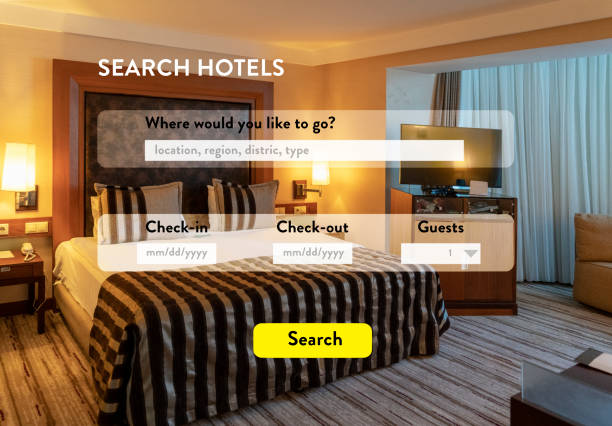
In today’s digital era, a hotel’s online presence plays a crucial role in attracting guests. Most travelers search for accommodation online before making a reservation, which makes digital visibility essential for hotel growth.
A professional and user-friendly website should include:
- High-quality images of rooms and amenities
- Clear pricing and package information
- Easy online booking options
- Mobile-friendly design
- Detailed information about location and nearby attractions
A well-designed website not only builds trust but also increases direct bookings, reducing dependence on third-party platforms.
Search engine optimization (SEO) is another powerful tool for increasing visibility. When your hotel appears in search results for relevant travel keywords, it attracts potential guests who are actively planning their trips.
Focus on Guest Experience
Guest experience is one of the most important factors in the growth of any hotel business. Travelers often remember how they were treated more than the physical features of a hotel.
Providing exceptional service creates positive impressions and encourages guests to recommend the hotel to others. Some ways to enhance guest experience include:
- Warm and efficient check-in services
- Clean and well-maintained rooms
- Friendly and professional staff
- Personalized services such as welcome notes or complimentary amenities
- Quick response to guest requests
Hotels that consistently deliver excellent experiences often benefit from strong word-of-mouth marketing and repeat bookings.
Use Online Reviews to Build Reputation
Online reviews have become a powerful influence on booking decisions. Travelers rely heavily on reviews before choosing a hotel, making reputation management essential.
Encourage satisfied guests to leave positive reviews on travel platforms and search engines. Responding to reviews—both positive and negative—shows that the hotel values guest feedback.
A strong review profile can significantly improve trust and attract new customers. Hotels with consistently positive ratings often experience higher occupancy rates and increased bookings.
Implement Smart Revenue Management
Revenue management is essential for maximizing profits while maintaining competitive pricing. Hotels that use smart pricing strategies can adjust room rates based on demand, seasonality, and market trends.
For example:
- Increase prices during peak travel seasons or major events
- Offer attractive discounts during off-peak periods
- Introduce special packages for holidays or long stays
Dynamic pricing allows hotels to remain competitive while maximizing revenue opportunities.
Leverage Social Media Marketing
Social media has become one of the most effective marketing tools for the hospitality industry. Platforms such as Instagram, Facebook, and travel communities allow hotels to showcase their property, services, and experiences to a wide audience.
Hotels can use social media to:
- Share beautiful photos and videos of the property
- Highlight guest experiences and events
- Promote seasonal offers and travel packages
- Engage with potential guests through comments and messages
Consistent social media activity helps build brand awareness and attract new travelers.
Offer Unique Experiences
Travelers in 2026 are increasingly seeking experiences rather than just accommodation. Hotels that provide unique experiences often stand out in a competitive market.
Examples of experience-based offerings include:
- Local cultural activities
- Guided tours of nearby attractions
- Traditional food experiences
- Adventure or nature activities
- Wellness and relaxation programs
These experiences create memorable stays and encourage guests to choose your hotel over others.
Embrace Technology and Innovation
Technology is playing a major role in shaping the future of the hospitality industry. Hotels that adopt modern technology can improve operational efficiency and guest convenience.
Some key technological innovations include:
- Online and mobile booking systems
- Digital check-in and check-out
- Smart room features
- Automated customer service tools
- Data analytics for understanding guest behavior
Using technology not only enhances efficiency but also improves the overall guest experience.
Strengthen Local Partnerships
Collaborating with local businesses can help hotels create additional value for guests. Partnerships with tour operators, restaurants, transportation providers, and local attractions can enhance the travel experience.
For example, hotels can offer:
- Tour packages to nearby destinations
- Local sightseeing experiences
- Special dining arrangements
- Airport or station transfers
These partnerships not only improve guest satisfaction but also create new revenue opportunities.
Invest in Staff Training
Employees are the backbone of any successful hotel. Well-trained and motivated staff can significantly improve service quality and guest satisfaction.
Training programs should focus on:
- Customer service excellence
- Communication skills
- Hospitality etiquette
- Problem-solving techniques
When employees feel confident and valued, they perform better and contribute positively to the hotel’s reputation.
Focus on Sustainability
Sustainability is becoming an important factor for modern travelers. Many guests prefer hotels that adopt environmentally responsible practices.
Hotels can implement sustainable initiatives such as:
- Reducing plastic usage
- Using energy-efficient lighting and appliances
- Promoting water conservation
- Supporting local communities and suppliers
Eco-friendly practices not only benefit the environment but also strengthen a hotel’s brand image.
Create Attractive Packages and Promotions
Special offers and travel packages can attract more bookings, especially during slow seasons. Packages that combine accommodation with experiences often appeal to travelers looking for convenience and value.
Examples include:
- Honeymoon packages
- Family vacation deals
- Weekend getaway offers
- Corporate stay packages
Creative promotions can help hotels reach new market segments and increase occupancy rates.
Analyze Data and Market Trends
Successful hotel growth depends on understanding market trends and guest behavior. Data analysis can help identify patterns such as peak booking periods, popular room types, and preferred services.
Using this information, hotel managers can make informed decisions about pricing, marketing strategies, and service improvements.
Data-driven decision-making ensures that hotels remain competitive and responsive to changing market conditions.
The Future of Hotel Growth
The hospitality industry in 2026 will continue to evolve with new trends, technologies, and guest expectations. Hotels that remain adaptable and innovative will have the greatest opportunity for long-term success.
Growth in the hotel business is not achieved through a single strategy but through a combination of factors including strong marketing, excellent service, modern technology, and memorable guest experiences.
By focusing on these key areas, hotel owners can build a strong brand, attract more guests, and achieve sustainable growth.
Final Thoughts
Growing a hotel business in 2026 requires a strategic approach that combines digital presence, exceptional hospitality, smart pricing, and unique guest experiences. Travelers today seek comfort, convenience, and authenticity, and hotels that deliver these elements consistently will stand out in a competitive market.
Whether you operate a boutique property, a luxury hotel, or a family-run establishment, adopting modern hospitality strategies can significantly improve bookings and revenue.
With the right vision, innovation, and commitment to guest satisfaction, your hotel can thrive and achieve remarkable growth in the years ahead.