
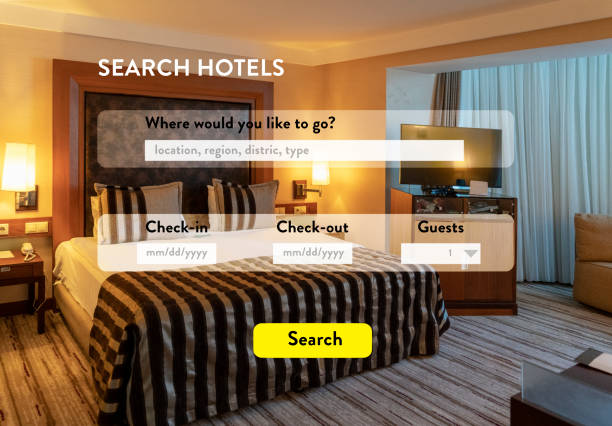
In today’s digital-first hospitality landscape, a hotel’s website is no longer just an online brochure—it is a powerful revenue-generating engine. With increasing competition from OTAs (Online Travel Agencies) and changing traveler behavior, hotels must leverage their websites to drive direct bookings, maximize profits, and build long-term customer relationships. This is where hotel consultants step in.
Hotel consultants play a crucial role in transforming underperforming hotel websites into high-converting, revenue-generating platforms. Through strategic planning, technology integration, and data-driven optimization, they help hotels unlock their full online potential. Let’s explore how hotel consultants turn ordinary hotel websites into revenue machines.
Understanding the Role of Hotel Consultants
Hotel consultants are industry experts who specialize in improving hotel performance across operations, marketing, and revenue management. When it comes to websites, their focus is on enhancing visibility, user experience, and conversion rates.
They analyze current performance, identify gaps, and implement tailored strategies that align with the hotel’s brand and target audience. Their ultimate goal is simple—turn website visitors into paying guests.
1. Strategic Website Design & User Experience Optimization
A hotel website must be visually appealing, easy to navigate, and optimized for conversions. Hotel consultants begin by evaluating the design and usability of the site.
Key Improvements Include:
- Mobile-friendly and responsive design
- Fast loading speed
- Intuitive navigation structure
- Clear call-to-action (CTA) buttons like “Book Now”
- High-quality images and virtual tours
A seamless user experience ensures that visitors stay longer on the site and are more likely to complete a booking.
2. SEO Optimization for Maximum Visibility
Even the best-designed website won’t generate revenue if it doesn’t attract visitors. Hotel consultants implement strong SEO (Search Engine Optimization) strategies to improve search rankings.
SEO Strategies Include:
- Keyword research targeting location-based searches
- Optimizing meta titles, descriptions, and headers
- Creating SEO-friendly content like blogs and landing pages
- Improving website structure and internal linking
- Local SEO optimization (Google Business Profile, maps, reviews)
For example, ranking for keywords like “best hotel in Siliguri” or “luxury stay near Darjeeling” can drive high-intent traffic directly to the website.
3. Conversion Rate Optimization (CRO)
Driving traffic is only half the battle. The real success lies in converting visitors into bookings. Hotel consultants focus heavily on Conversion Rate Optimization (CRO).
CRO Techniques Include:
- Simplified booking process
- Fewer steps in checkout
- Trust signals like guest reviews and ratings
- Urgency triggers such as “Limited Rooms Available”
- Attractive offers and packages
By reducing friction and building trust, consultants significantly increase the chances of direct bookings.
4. Direct Booking Engine Integration
A high-performing website must have a seamless booking engine integrated directly into it. Hotel consultants ensure that the booking system is:
- Fast and user-friendly
- Mobile optimized
- Secure with multiple payment options
- Capable of real-time availability and pricing
They also optimize the booking interface to reduce drop-offs and encourage users to complete their reservations without switching to OTAs.
5. Reducing OTA Dependency
Many hotels rely heavily on OTAs, which charge high commissions. Hotel consultants help reduce this dependency by strengthening direct booking strategies.
Methods Include:
- Offering exclusive deals on the hotel website
- Loyalty programs for repeat guests
- Promo codes and discounts for direct bookings
- Highlighting benefits like “Best Price Guarantee”
This shift not only increases profitability but also gives hotels more control over customer relationships.
6. Content Marketing That Drives Engagement
Content is a powerful tool to attract, engage, and convert website visitors. Hotel consultants develop content strategies that align with traveler interests.
Content Types Include:
- Destination guides
- Travel tips and itineraries
- Blog posts targeting search queries
- Event and seasonal promotions
For example, a blog on “Top Things to Do in Darjeeling” can attract travelers planning a trip and guide them toward booking a stay.
7. Leveraging Data & Analytics
Hotel consultants rely heavily on data to make informed decisions. They track user behavior and website performance using tools like Google Analytics and heatmaps.
Key Metrics Monitored:
- Website traffic sources
- Bounce rate
- Average session duration
- Conversion rate
- Booking abandonment rate
By analyzing these metrics, consultants continuously refine strategies to improve performance and maximize revenue.
8. Personalization & Retargeting Strategies
Modern travelers expect personalized experiences. Hotel consultants use advanced tools to deliver tailored content and offers.
Personalization Techniques:
- Showing relevant offers based on user behavior
- Personalized email campaigns
- Retargeting ads for abandoned bookings
- Special deals for returning visitors
These strategies help re-engage potential guests and increase the likelihood of conversion.
9. Social Proof & Reputation Management
Trust plays a major role in booking decisions. Hotel consultants ensure that the website builds credibility through strong social proof.
Key Elements Include:
- Guest testimonials
- Online reviews integration
- Ratings from platforms like Google
- Awards and recognitions
A well-managed reputation reassures potential guests and boosts booking confidence.
10. Speed, Security & Technical Performance
Technical performance directly impacts both SEO rankings and user experience. Hotel consultants optimize the backend of the website to ensure:
- Fast loading speed
- Secure HTTPS connection
- Minimal downtime
- Smooth functionality across devices
A slow or unreliable website can lead to lost bookings, making technical optimization essential.
11. Email Marketing & CRM Integration
Hotel consultants integrate CRM systems and email marketing tools to nurture leads and retain customers.
Email Campaign Examples:
- Booking confirmations and reminders
- Special offers and seasonal discounts
- Loyalty rewards
- Post-stay feedback requests
These campaigns help maintain engagement and encourage repeat bookings.
12. Upselling & Cross-Selling Opportunities
A well-optimized website doesn’t just generate bookings—it increases revenue per booking. Hotel consultants implement upselling strategies such as:
- Room upgrades
- Add-ons like spa, dining, or airport transfers
- Customized packages
This increases the overall value of each customer transaction.
13. Continuous Testing & Optimization
The work doesn’t stop after launching a website. Hotel consultants continuously test and refine strategies.
Ongoing Improvements Include:
- A/B testing of landing pages
- Testing different CTA placements
- Optimizing pricing strategies
- Updating content regularly
This ensures that the website remains competitive and continues to generate revenue over time.
Conclusion
In the competitive hospitality industry, a hotel website can either be a passive digital presence or a powerful revenue-generating machine. The difference lies in strategy, execution, and continuous optimization.
Hotel consultants bring expertise, data-driven insights, and innovative techniques to transform hotel websites into high-performing assets. From SEO and user experience to conversion optimization and direct booking strategies, they ensure every element of the website works toward one goal—maximizing revenue.
For hotels aiming to increase profitability, reduce OTA dependency, and build a strong digital presence, investing in professional hotel consulting services is no longer optional—it’s essential.
A well-optimized hotel website doesn’t just attract visitors; it converts them, retains them, and turns them into loyal guests—making it a true revenue machine.