
In the highly competitive hospitality industry, exceptional service is what sets a hotel apart from the rest. While luxurious rooms and prime locations matter, the real driving force behind a successful hotel is its well-trained staff. From front desk executives to housekeeping teams, every employee plays a crucial role in shaping the guest experience.
Investing in effective staff training not only improves service quality but also boosts customer satisfaction, increases positive reviews, and drives long-term profitability. In this blog, we explore the most impactful staff training tips that lead to hotel success.
Why Staff Training is Essential for Hotel Growth
Hotel staff are the face of your brand. Guests may forget the décor, but they will always remember how they were treated. Proper training ensures that employees are confident, professional, and capable of handling diverse guest needs.
Key benefits of staff training include:
- Improved guest satisfaction and loyalty
- Higher online ratings and reviews
- Increased efficiency and productivity
- Reduced staff turnover
- Stronger brand reputation
A well-trained team creates a seamless and memorable guest experience, which directly impacts revenue and growth.
1. Focus on Customer Service Excellence
Customer service is the backbone of the hospitality industry. Training staff to deliver exceptional service should be a top priority.
Key training areas:
- Greeting guests warmly and professionally
- Active listening and understanding guest needs
- Handling complaints with patience and empathy
- Personalizing guest interactions
Encourage staff to go the extra mile. A simple gesture like remembering a guest’s name or preferences can leave a lasting impression.
2. Provide Role-Specific Training
Each department in a hotel has unique responsibilities, and training should be tailored accordingly.
Front Desk Staff:
- Reservation management
- Communication skills
- Handling check-in and check-out efficiently
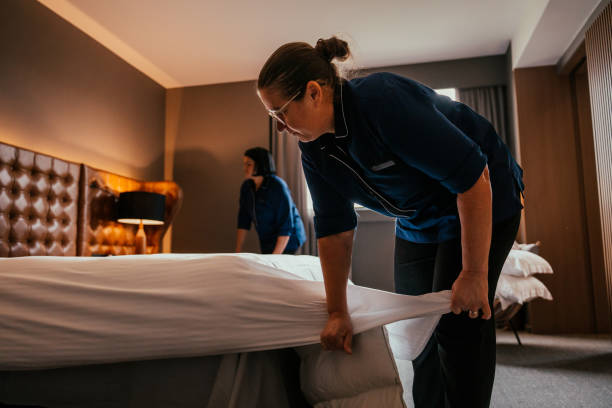
Housekeeping Staff:
- Cleaning standards and hygiene protocols
- Time management
- Attention to detail
Food & Beverage Team:
- Menu knowledge
- Service etiquette
- Upselling techniques
Customized training ensures that employees perform their roles with confidence and precision.
3. Emphasize Communication Skills
Clear and effective communication is essential in hotel operations. Staff must be trained to communicate professionally with both guests and colleagues.
Training tips:
- Use polite and positive language
- Maintain proper body language and eye contact
- Handle difficult conversations calmly
- Improve language skills, especially English for international guests
Strong communication builds trust and prevents misunderstandings.
4. Incorporate Technology Training
Modern hotels rely heavily on technology for operations and guest services. Staff should be comfortable using digital tools and systems.
Areas to cover:
- Property Management Systems (PMS)
- Online booking platforms
- POS systems in restaurants
- CRM tools for guest data
Technology training improves efficiency and reduces errors, leading to smoother operations.
5. Conduct Regular Training Sessions
Training should not be a one-time activity. Regular sessions help staff stay updated with new trends, tools, and service standards.
Best practices:
- Monthly or quarterly training programs
- Workshops and seminars
- On-the-job training
- Refresher courses
Continuous learning keeps employees motivated and aligned with the hotel’s goals.
6. Encourage Teamwork and Collaboration
A hotel operates smoothly when all departments work together. Training should focus on building teamwork and collaboration.
How to promote teamwork:
- Conduct team-building activities
- Encourage open communication between departments
- Set common goals for all teams
When employees support each other, service delivery becomes more efficient and enjoyable.
7. Train Staff for Problem-Solving
Guests may face issues during their stay, and how staff handle these situations defines the hotel’s reputation.
Problem-solving training includes:
- Identifying issues quickly
- Offering practical solutions
- Staying calm under pressure
- Escalating issues when necessary
Empowered employees who can resolve problems independently create a positive guest experience.
8. Focus on Grooming and Professional Appearance
First impressions matter in the hospitality industry. Staff should be trained to maintain a professional appearance at all times.
Key aspects:
- Clean and well-maintained uniforms
- Personal hygiene
- Proper posture and body language
A well-groomed team reflects professionalism and enhances the hotel’s image.
9. Use Real-Life Scenarios for Training
Theoretical knowledge is important, but practical training is more effective. Use real-life scenarios to prepare staff for actual situations.
Examples:
- Handling an unhappy guest
- Managing overbookings
- Dealing with special requests
Role-playing exercises help employees gain confidence and improve decision-making skills.
10. Recognize and Reward Performance
Motivation plays a key role in staff performance. Recognizing and rewarding employees encourages them to perform better.
Ways to reward staff:
- Employee of the Month programs
- Incentives and bonuses
- Public recognition
- Career growth opportunities
A motivated team is more engaged and committed to delivering excellent service.
11. Train Staff on Upselling Techniques
Upselling is a powerful way to increase hotel revenue. Staff should be trained to suggest upgrades and additional services without being pushy.
Examples:
- Room upgrades
- Spa services
- Dining packages
- Late check-out options
When done correctly, upselling enhances the guest experience while boosting profitability.
12. Collect Feedback and Improve Training Programs
Feedback is essential for continuous improvement. Regularly gather input from both guests and employees to refine training programs.
Sources of feedback:
- Guest reviews and surveys
- Employee suggestions
- Performance evaluations
Use this data to identify gaps and improve training effectiveness.
13. Promote a Positive Work Culture
A positive work environment directly impacts employee performance and guest satisfaction. Training should include building a culture of respect, support, and enthusiasm.
Key elements:
- Open communication
- Respect for diversity
- Encouraging innovation
- Supporting employee well-being
Happy employees create happy guests—it’s that simple.
14. Adapt Training to Industry Trends
The hospitality industry is constantly evolving. Hotels must stay updated with the latest trends and incorporate them into training programs.
Trending areas:
- Contactless services
- Sustainability practices
- Personalized guest experiences
- Digital transformation
Keeping staff informed about industry changes ensures long-term success.
Final Thoughts
Staff training is not an expense—it is an investment in your hotel’s future. A well-trained team delivers exceptional service, builds strong guest relationships, and drives business growth.
From improving communication skills to embracing technology and fostering teamwork, every aspect of training contributes to overall success. Hotels that prioritize employee development are more likely to achieve higher occupancy rates, better reviews, and increased profitability.
In today’s competitive market, the difference between an average hotel and a successful one lies in its people. By implementing these staff training tips, you can create a strong, skilled, and motivated team that takes your hotel to new heights of success.